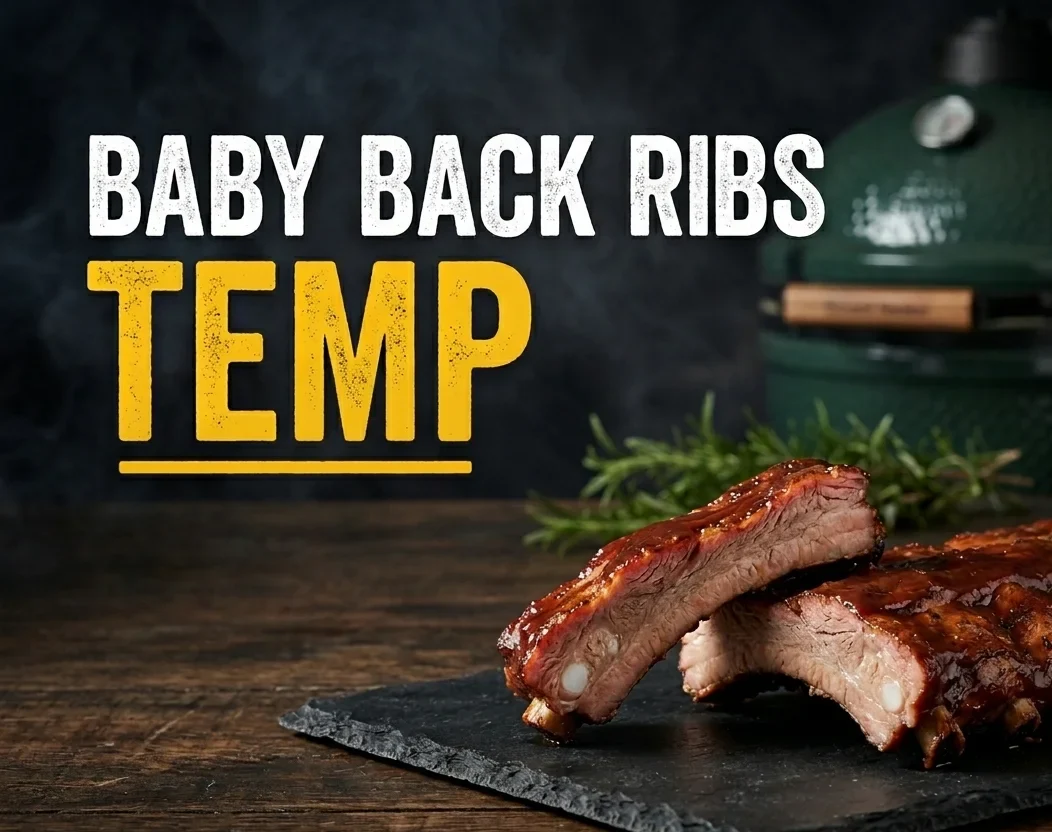
The good old BBQ ribs are a dream for many grilling enthusiasts. Biting into that tender yet juicy piece of rib meat that is glazed with a sweet-tangy sauce is a treat for your taste buds. Whether you are cooking spare ribs or baby back ribs, getting the cook right is what will make the difference in terms of how you enjoy this delicious BBQ treat. There are many old-fashioned rules when it comes to achieving the perfect grill and one of those is cooking the ribs past done. If you’re curious why this is the case and want to know some tricks on how to achieve the best ribs internal temp, be sure to check out this guide.
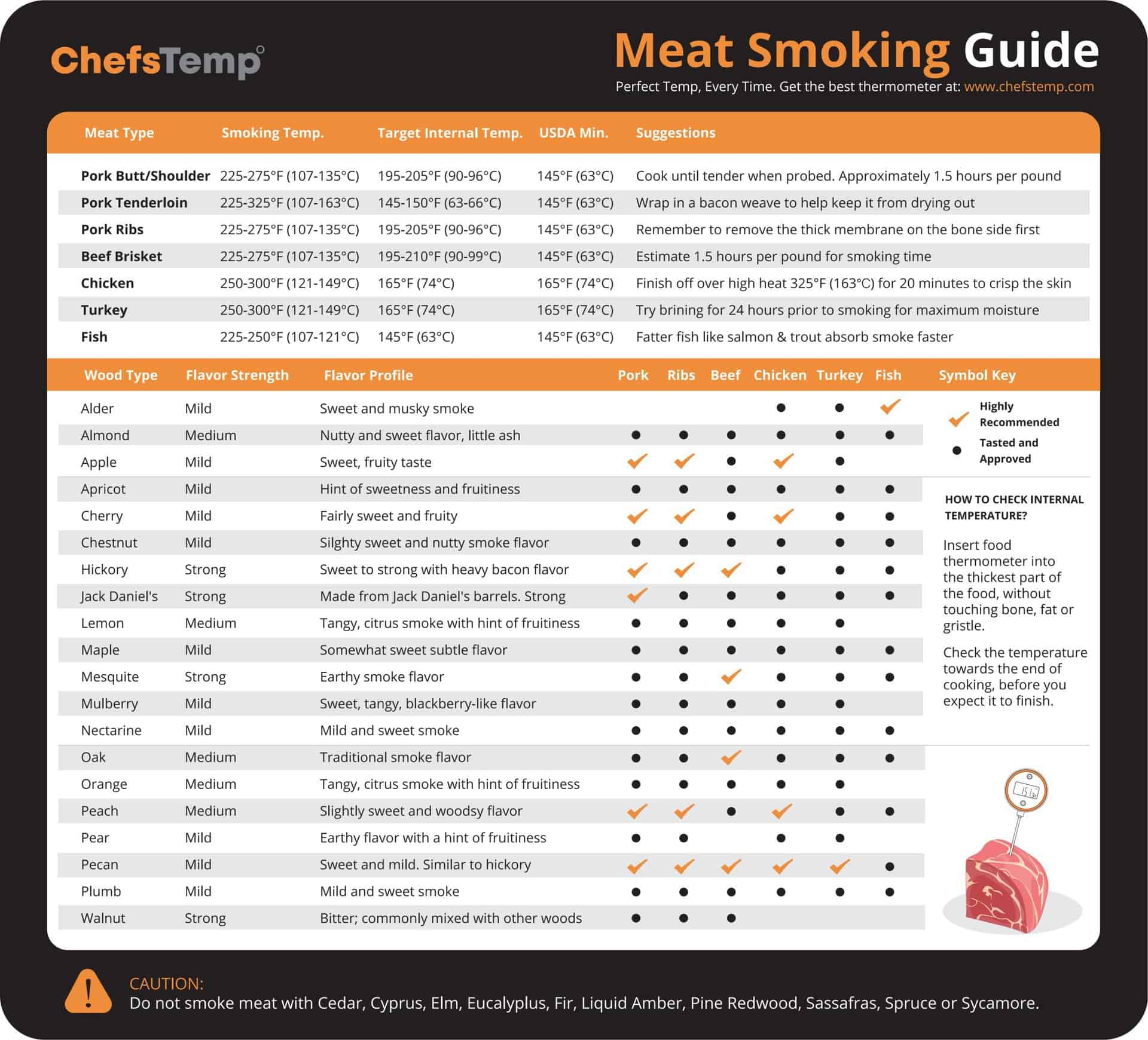
Temperature and Technique Guide for Cooking Ribs
As you might already know, smoking meat is a process of slowly melting the fat away and relaxing the collagen present in the meat to create a tender texture. This process results in the rendering of the meat, which is why it is recommended that you cook ribs past being ‘done’. If you haven’t cooked ribs like this before, then it’s time to take on a new approach so you can have better-tasting, juicier ribs. The most common technique for cooking ribs is known as the 3-2-1 technique. But before you do that, you need to prep the ribs beforehand. Use your favorite barbecue rub to season the meat. While you let the rub set, preheat your smoker or grill to 225 degrees F. This is the ideal temperature for cooking ribs. The first step of the 3-2-1 technique is to slowly cook the ribs with indirect heat for 3 hours. Use an aluminum foil wrap to continue cooking the ribs for another 2 hours. When that is done, remove the foil wrap and cook the ribs for 1 additional hour. At this point, you can add the sauce and continue to sear the ribs. Give it enough time to absorb the sauce that you have brushed into the meat. Why Cook Ribs Past Done
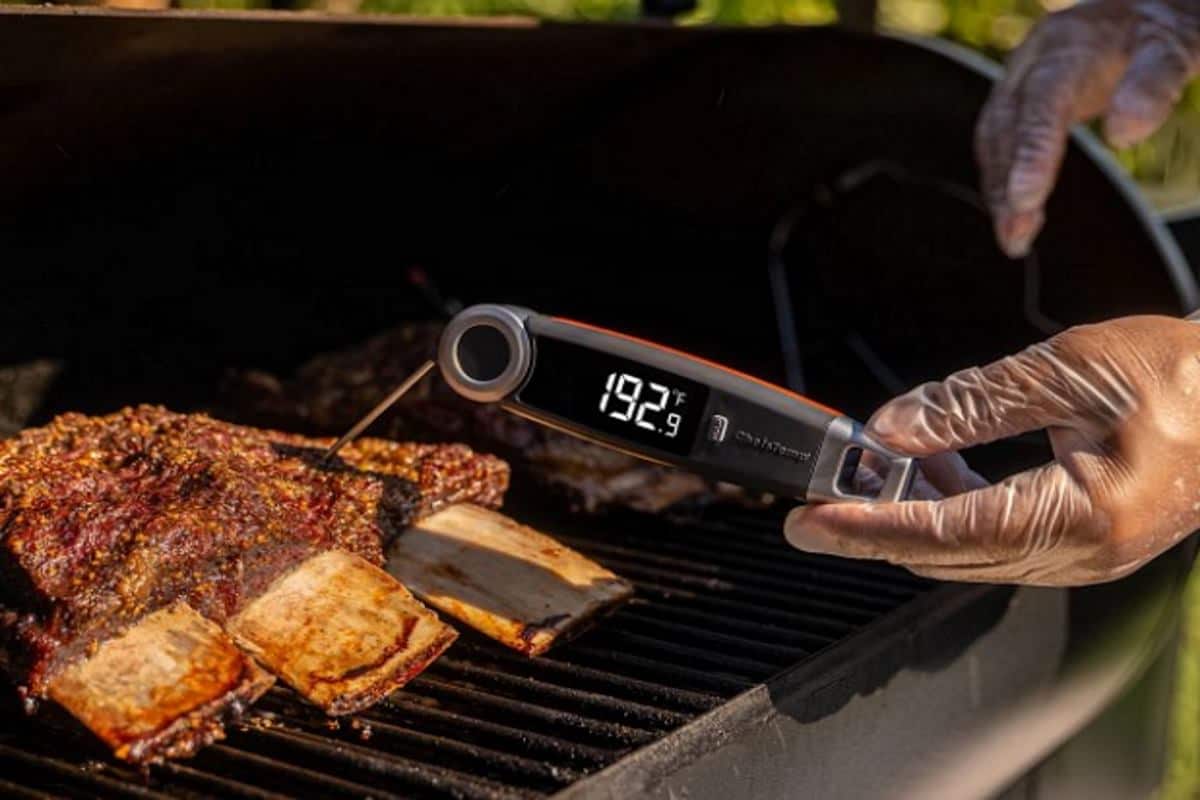
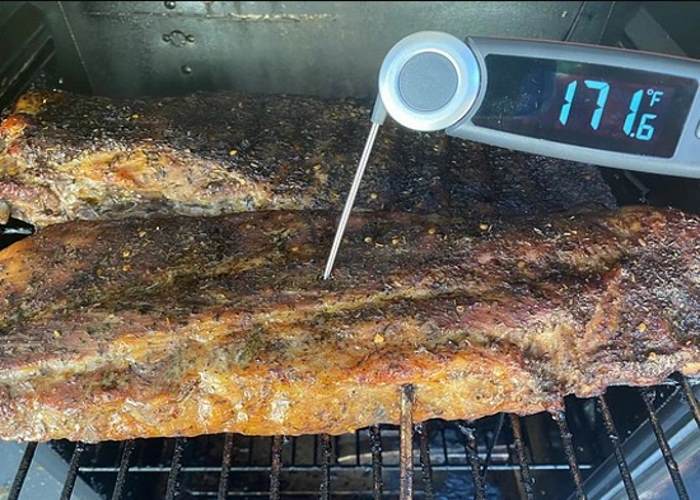
It might be surprising for some to know that cooking ribs past done is the best way to achieve the best results. Once you reach the ideal ribs internal temp, you shouldn’t take the meat off the heat. When the ribs reach the ideal cooking temperature of 145 degrees F, most people would say that the ribs are done. But at this temperature, the collagen in the ribs has not softened enough to become gelatinous in texture. For t his, you need the ribs’ internal temp to reach 165 degrees F. Some experts say that you keep the ribs cooking until you reach anywhere from 195 to 200 degrees F. This will give maximum render to the meat so that it will be tender and the excess fat will have rendered off completely. When you check the ribs’ internal temp, make sure you probe the thermometer away from the bones. The meat that is closest to the bones will be higher than the rest of the meat.Tests to Check if the Ribs Are Ready
There are several tests that you can do in order to check the ribs are properly cooked. If you have a lot of experience with barbecuing ribs, then this should not be a problem. But if you are new to cooking ribs, you might want to know about these fail-proof tests.- Twist Test
- Bend Test
- Skewer Test
Ideal Ribs Internal Temp When Done
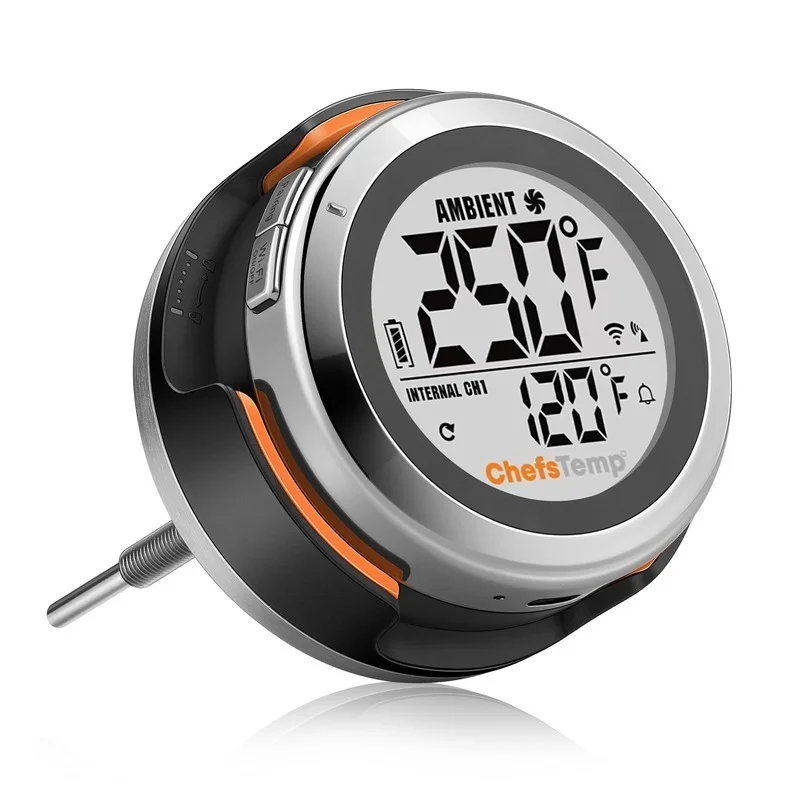
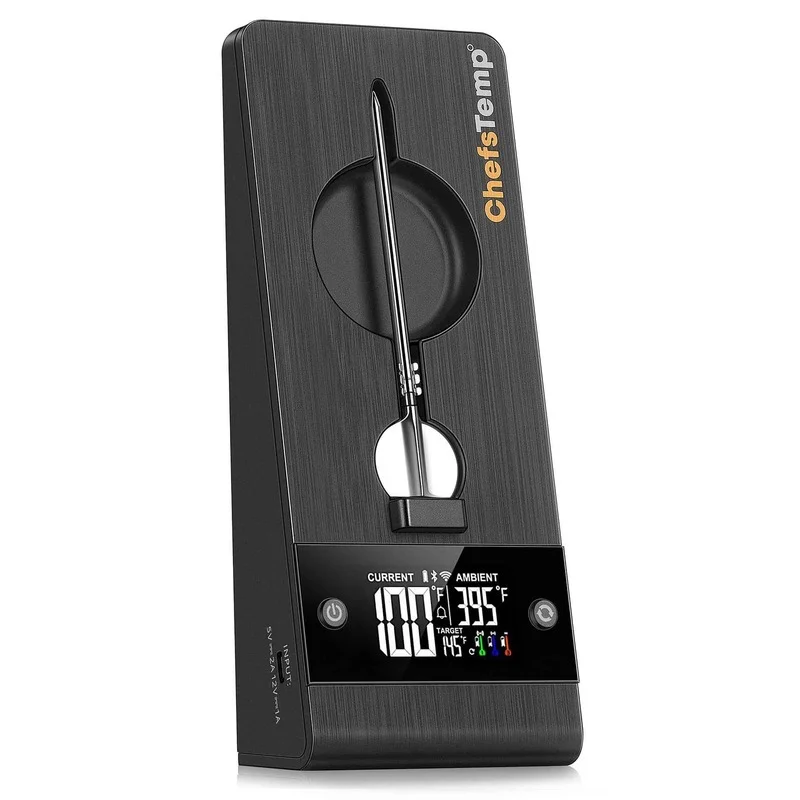
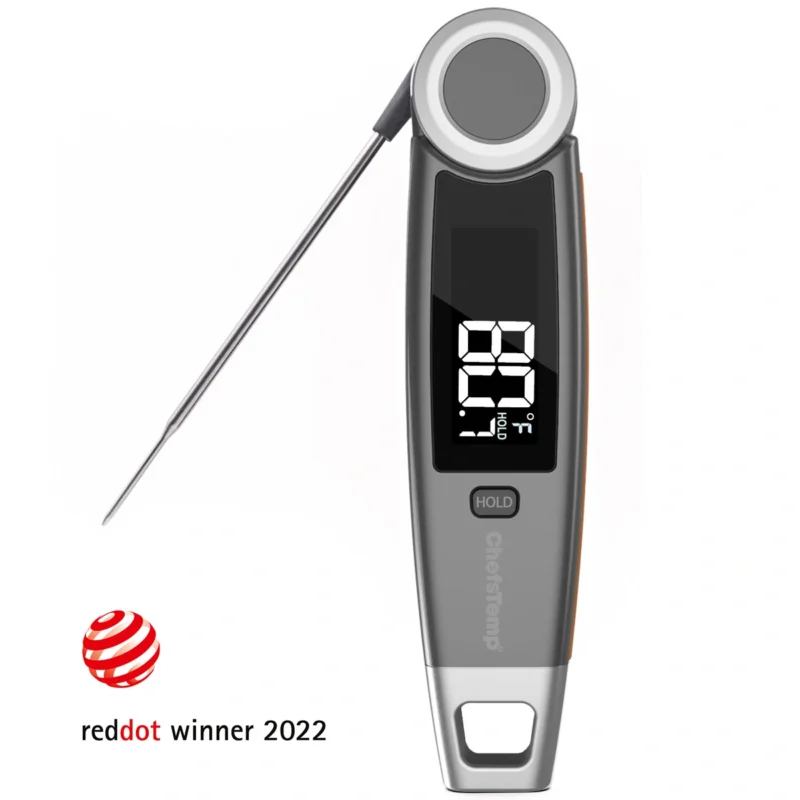
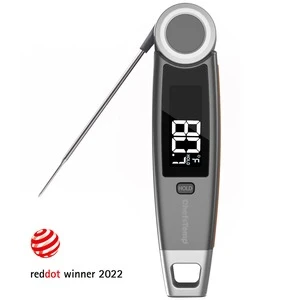
There is a lot of opinion as to the ideal ribs internal temp when done. For safety reasons, a temperature of 145 degrees F is recommended initially. But,although safe to eat, keeping the ribs at this temperature results in a tough and rubbery meat. You need the ribs temperature to go up to 195-203 degrees F. This allows the collagen in the ribs to break down enough and for the flavor to be completely absorbed. You get a better texture and flavor on your ribs by cooking it past being ‘done’. You can always do any of the tests above to check they’re cooked and you can closely keep an eye on your ribs after that. You need a handy thermometer for this to keep the temperature in check. Cooking ribs and getting them to become tender and juicy is an art. This is the secret to cooking ribs that everyone will enjoy!
Related Posts
Can Salmon Be Undercooked? The Real Risks and How to Stay Safe
Can salmon be undercooked? Learn the exact temperature rule, spot the warning signs fast, and fix an undercooked fillet before it ruins dinner.
Best Thermapen Alternatives: 6 Instant-Read Thermometers Tested
Thermapen is fast, but is it worth? We tested 6 instant-read Thermapen alternatives for speed, accuracy, and value. Find your best match here.
From Traditional to Digital Thermometers – What Is the Future of Meat Thermometers?
Is an electronic meat thermometer a reality? Yes, it is a reality. Meat thermometers ensure the safety of cook...
Reasons Why You Should Upgrade to the Best Instant Read Thermometer
A kitchen without an instant-read thermometer is incomplete. When it comes to creating a succulent pot roast o...
How Do You Know Your Ribs Are Done?
The summers are on the way, and we know many of you are planning to make this Memorial Day or Independence Day...
Is Your Steak Properly Done? Get it Right with a Remote Thermometer
Many passionate grillers began where you are now. Their first attempts were unsuccessful and disappointing. Th...
Things You Should Never Do with an Instant Read Meat Thermometer
An instant-read meat thermometer is needed to tell if your meat is cooked to the proper internal temperature. ...
Steak Temperature Guide: All Information You Need for a Perfect Steak
https://www.chefstemp.com/wp-content/uploads/2022/02/ChefsTemp-Steak-Temperature-Chart-What-do-the-Professiona...
The Safest and Correct Chicken Internal Temp for a Juicy and Tasty Meat
Chicken meat is delicious and nutrient-dense, but only if it's cooked to a specific internal temperature. Go b...
Instant Read Thermometer: Why It’s a Must-Have Kitchen Tool
How do you ensure your meat is perfectly cooked? Even if you’ve been cooking for years, it’s not uncommon to m...
How to Properly Reheat BBQ Leftovers with the Best Meat Thermometer?
Reheating BBQ leftovers is something many people struggle with. This article covers the ins and outs of doing ...
Letting Meat Rest Myth Debunked: Find Out the Truth
Whether it's your first time cooking meat or not, you might have heard one common piece of advice: always rest...