FAQs
If you have any questions about your preferred items that aren't covered here or your order, you can start a chat using the message icon in the lower‑left corner for faster assistance. You're also welcome to contact our Customer Support Team at [email protected].
Breezo Fan: Is it battery or ac operated?
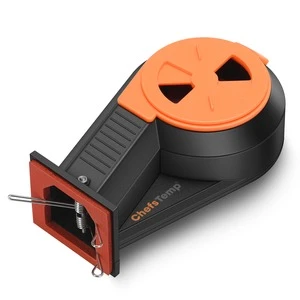
The Breezo Fan does not have a built-in battery to charge. You need to power it using a power bank or connect it to a power source by using the included power adaptor and cables.
S1: What is the difference between 5.5″ Special Edition and Universal Version?
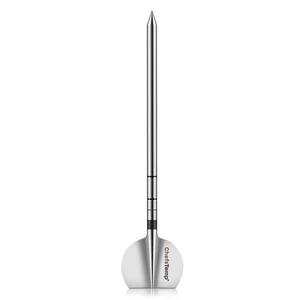
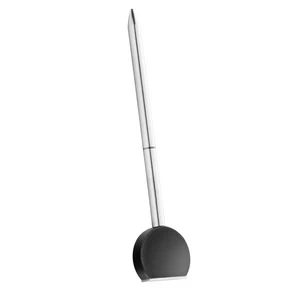
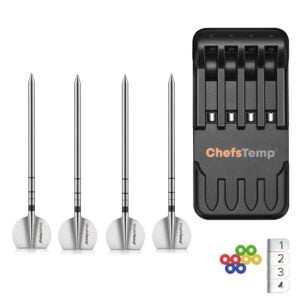
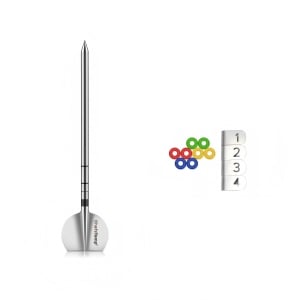
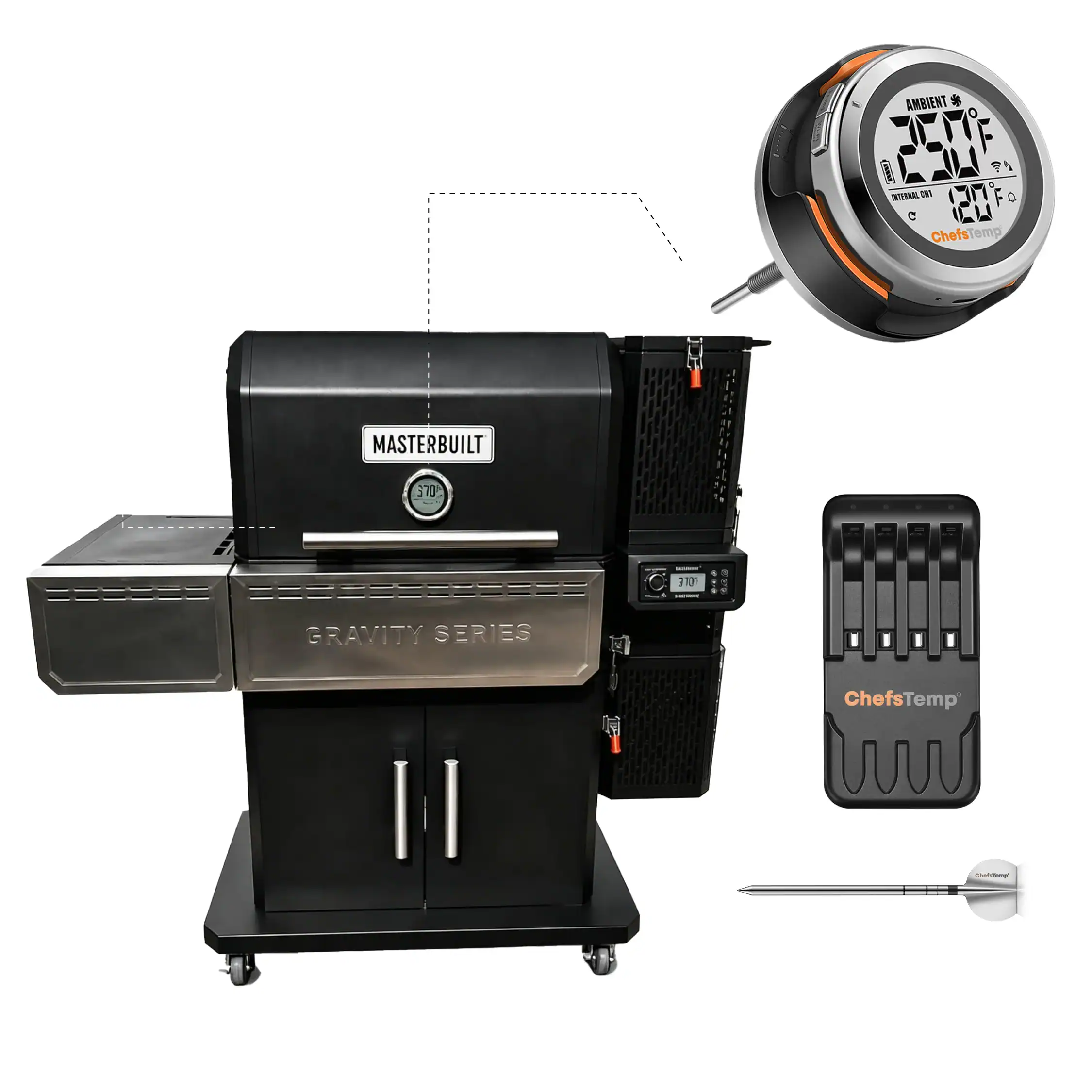
The S1 5.5″ Special Edition features a longer probe (5.5 inches / 140mm) compared to the Universal Version, while maintaining the same base stem diameter of 7.8 mm (0.3 inches). This extended length is ideal for grills or smokers with deeper internal spaces—such as the Old Country Gravity Fed smoker—where the thermometer needs to reach closer to the food for more accurate readings.
Breezo Fan: What is the difference between the original Breezo and Breezo V2?
Breezo V2 features built-in remote firmware update capability, allowing seamless future updates when needed.
ChefsTemp Warranty Policy – Hassle-Free, Guaranteed!
At ChefsTemp, every product is backed by a standard one‑year warranty and lifetime support—so you can cook with confidence from day one. If your device ever runs into an issue, simply reach out to us. Our team will quickly troubleshoot the problem or arrange a replacement.
There’s no need to ship anything back or wait through lengthy repair processes. Once your replacement is confirmed, just relax—your new unit will be on its way. After it arrives, you may dispose of the defective device according to your local regulations.
We’re here to support you through every cook, every season, and every kitchen adventure. Join our Facebook community to connect with other users, share tips, and see how everyone is enjoying their ChefsTemp gear. https://www.facebook.com/groups/chefstempofficial
S1: What kind of batteries does it use? Is it rechargeable?
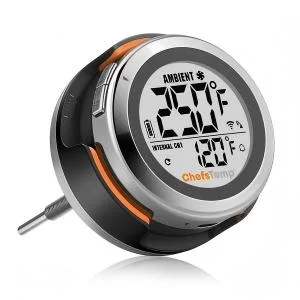
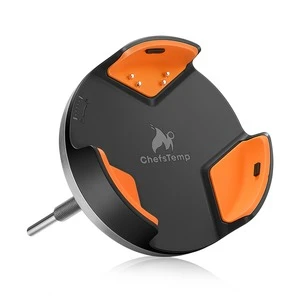
Thanks for your question! The ProTemp S1 is equipped with built-in rechargeable lithium batteries, offering up to 40 hours of use via Wi-Fi or up to 300 hours with Bluetooth. It charges easily using the included USB-C cable. The main unit is removable from the base, allowing flexible placement and convenient charging.
S1: What is the difference between BGE Version and Universal Version?
The main difference lies in the probe thickness. The BGE Version features a thinner base stem diameter of 4.1 mm (0.16 inches), specifically designed for Big Green Egg grills and other models with smaller gauge holes, such as the Primo Oval XL. In contrast, the Universal Version is compatible with most grills and smokers.
Note: For Primo XL grills, since the thermometer hole size may vary by production year, we recommend measuring the hole diameter before purchasing the ProTemp S1 to ensure a proper fit.
Breezo Fan: Where should I install the Breezo on my smoker or grill?
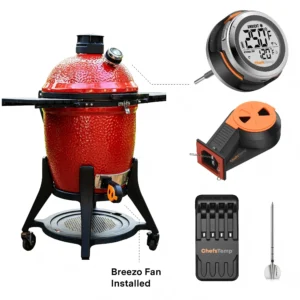
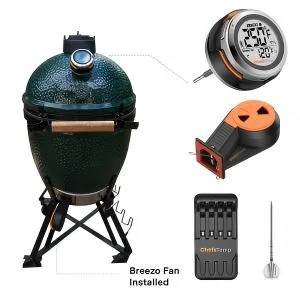
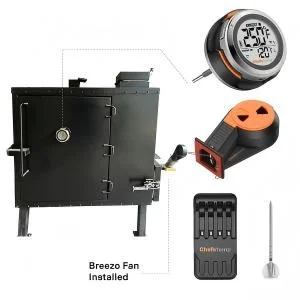
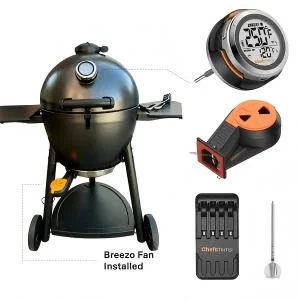
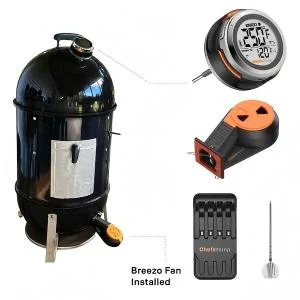
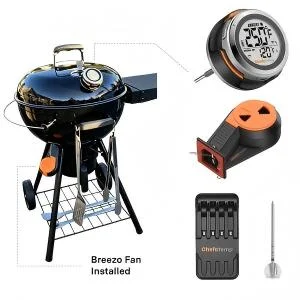
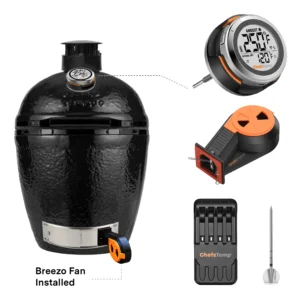
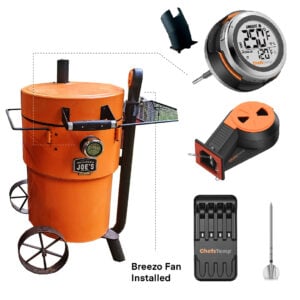
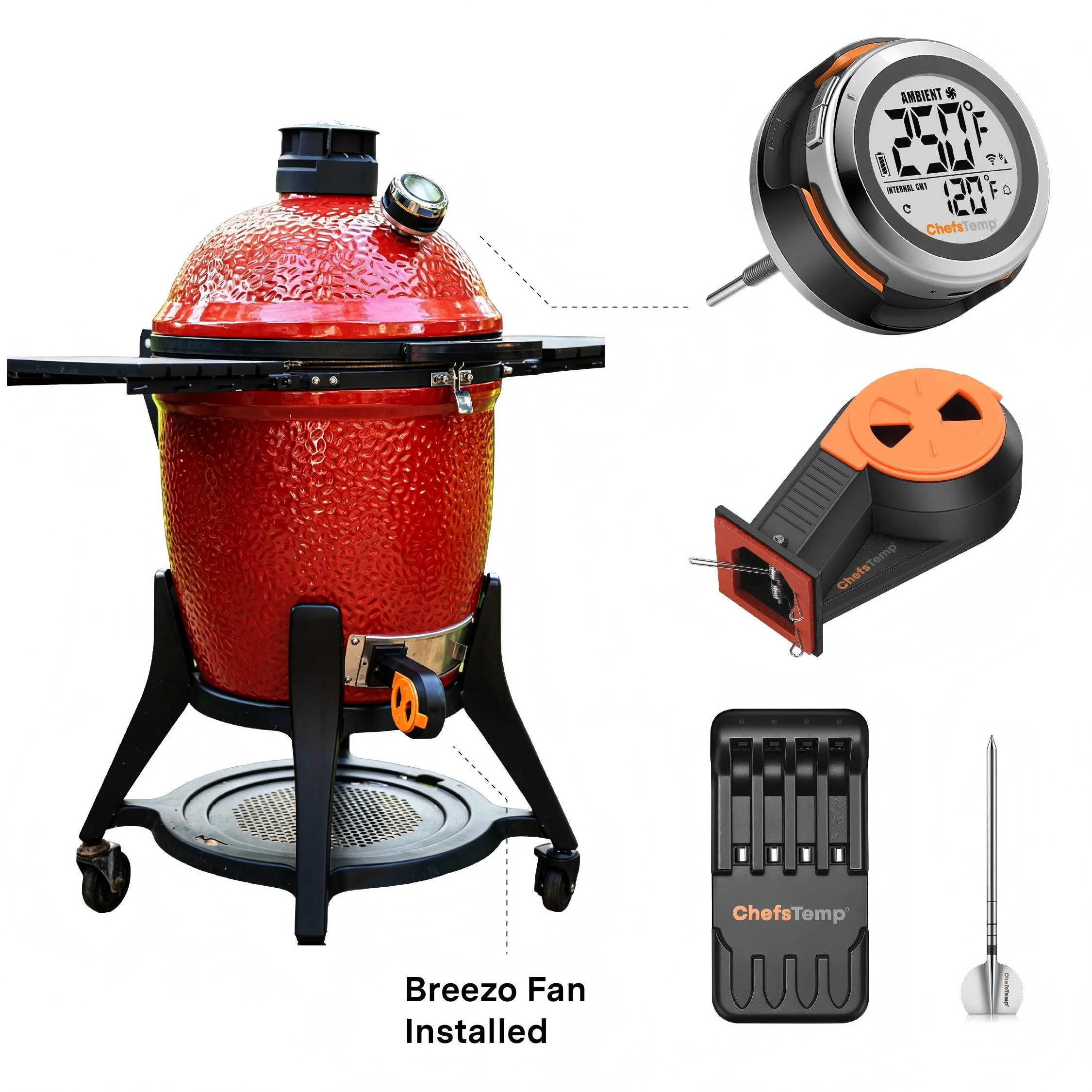
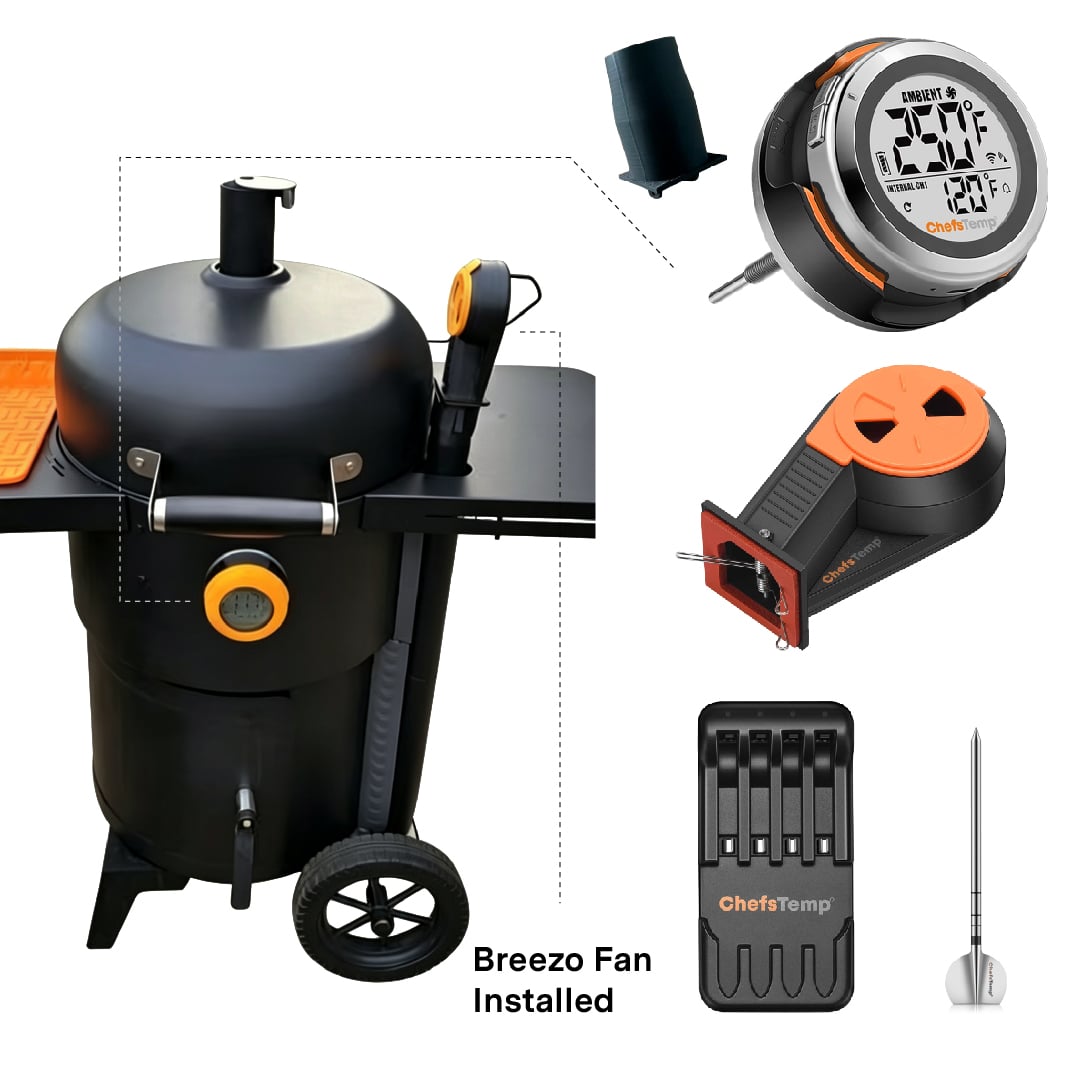
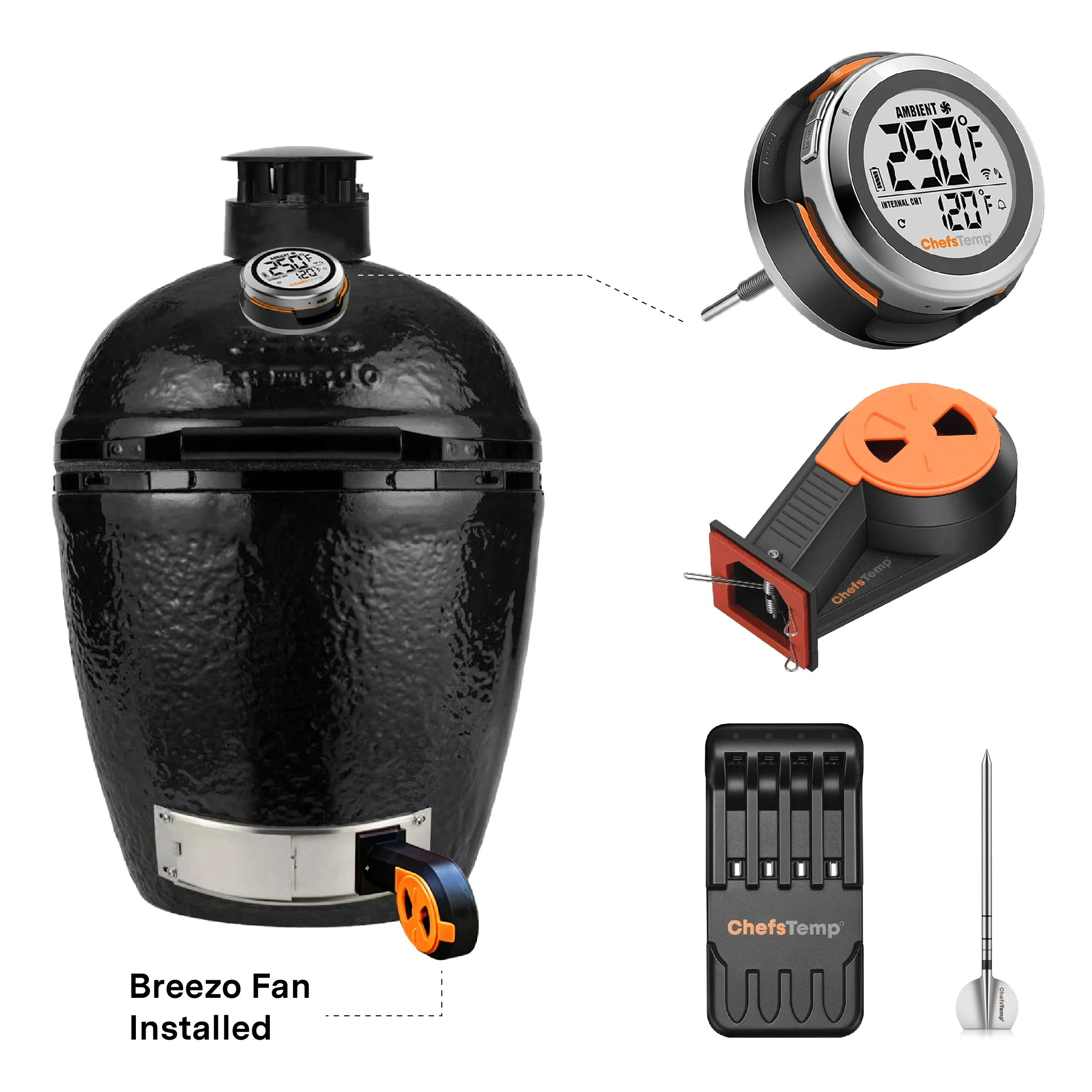
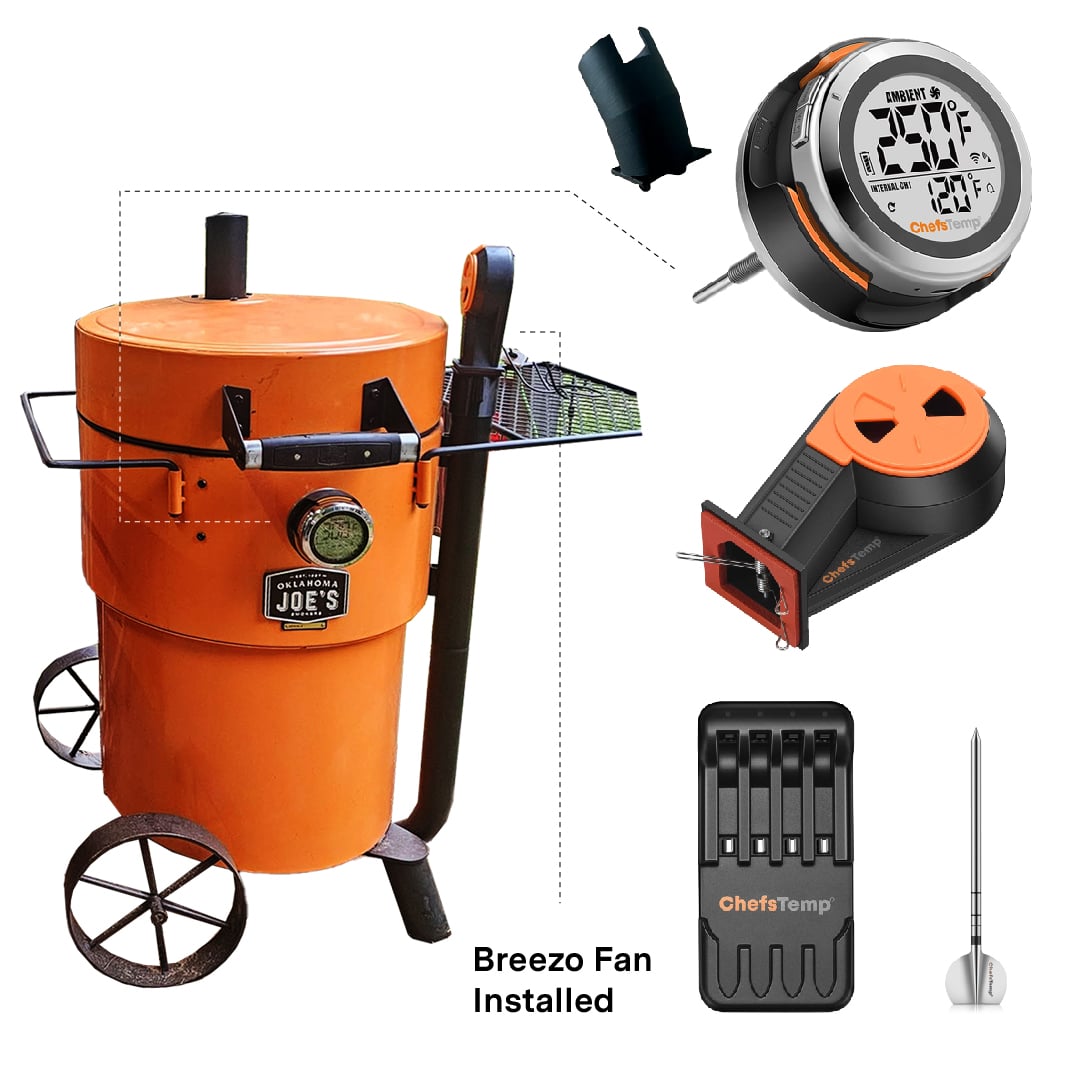
The Breezo Fan should replace your smoker’s vent system. Locate the vent on your smoker and, if it has an existing opening or hole, position the Breezo Fan to block it, sealing any gaps with high-temperature tape. You can also check the product description above for common models and recommended mounting methods.
S1: Which version of ProTemp S1 should I order for the Kamado Joe?
Thanks for your interest. Please order the universal version of ProTemp S1 for Kamado Joe. This model has a base stem diameter of 7.8 mm (0.3 inches) and is compatible with most grills and smokers. It’s ideal if your grill’s gauge hole is approximately 0.3 inches or larger.
ChefsTemp app: Why do I have to register an APP account?
The purpose of creating an account is to facilitate seamless usage of the device among family members through a single account. Additionally, registering an account enables access to cloud storage services.
Our product utilizes Wi-Fi for cloud data transmission, ensuring seamless connectivity and allowing users to access their temperature data remotely. This is the unique aspect of our thermometer that sets it apart from other Bluetooth-based wireless meat thermometers. To maintain access to cloud data features, account registration is necessary.
Please rest assured that we prioritize the privacy and security of our customers’ personal information. We have stringent measures in place to ensure that your data remains confidential and is not disclosed to any third parties. And our app will not send advertising messages.
Why would I need the Breezo Fan with my ProTemp S1? Do I need it for a pellet grill or gas grill?
The ProTemp S1 monitors your grill’s temperature, while the Breezo Fan adds automatic temperature control for compatible charcoal- and wood-fired grills and smokers.
When paired with the S1, Breezo automatically adjusts airflow to help regulate combustion and maintain your target cooking temperature, reducing the need for manual vent adjustments.
Breezo is particularly useful for compatible kamado grills, charcoal smokers, and certain offset smokers. However, compatibility depends on your grill’s airflow design and whether the fan can be properly installed.
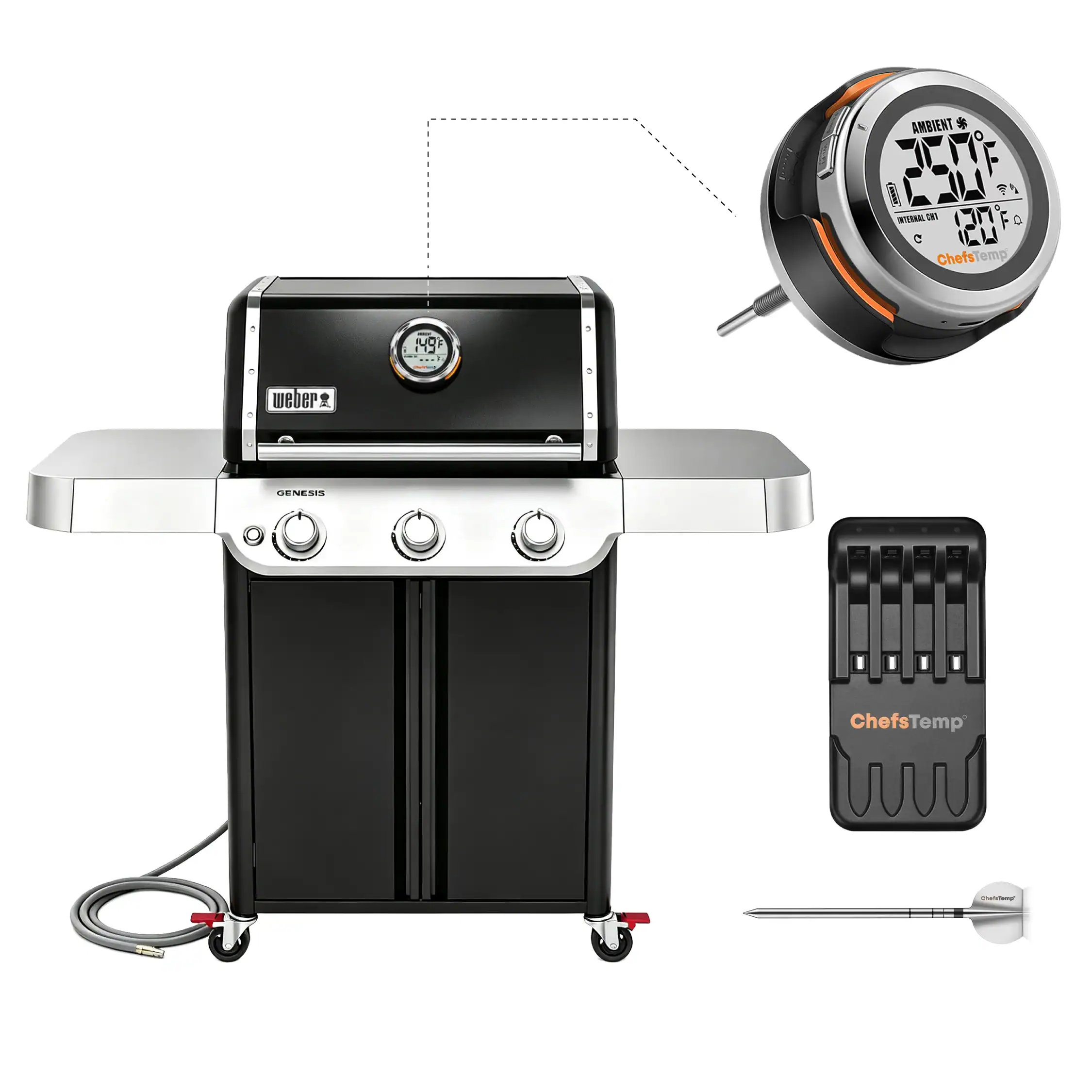
If you have a pellet grill or gas grill, you do not need the Breezo Fan. These grills already use their own fuel or temperature control systems. You can still use the ProTemp S1 independently to monitor cooking temperatures.
Not sure which setup is right for your grill? Use our Find My S1 Setup tool to check compatibility and find the recommended configuration for your specific model.