FAQs
If you have any questions about your preferred items that aren't covered here or your order, you can start a chat using the message icon in the lower‑left corner for faster assistance. You're also welcome to contact our Customer Support Team at [email protected].
How do you know if the food is safe to eat and what should be used to check temperature of the food?
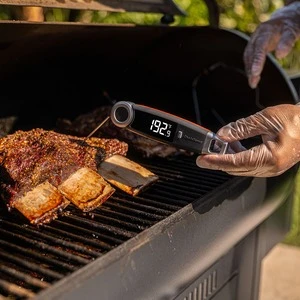
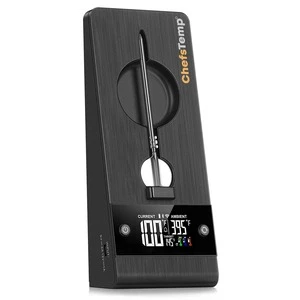
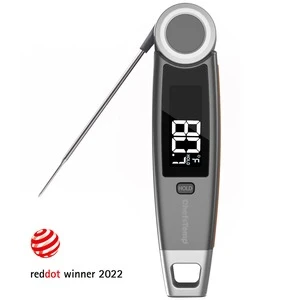
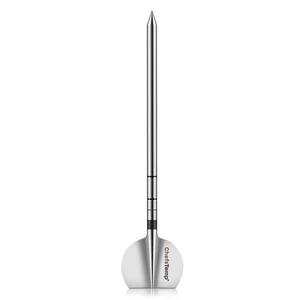
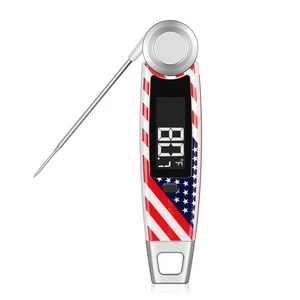
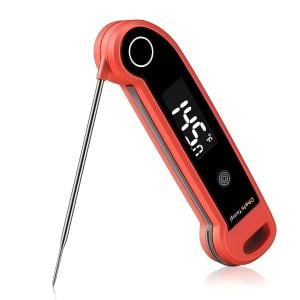
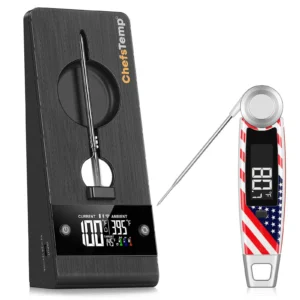
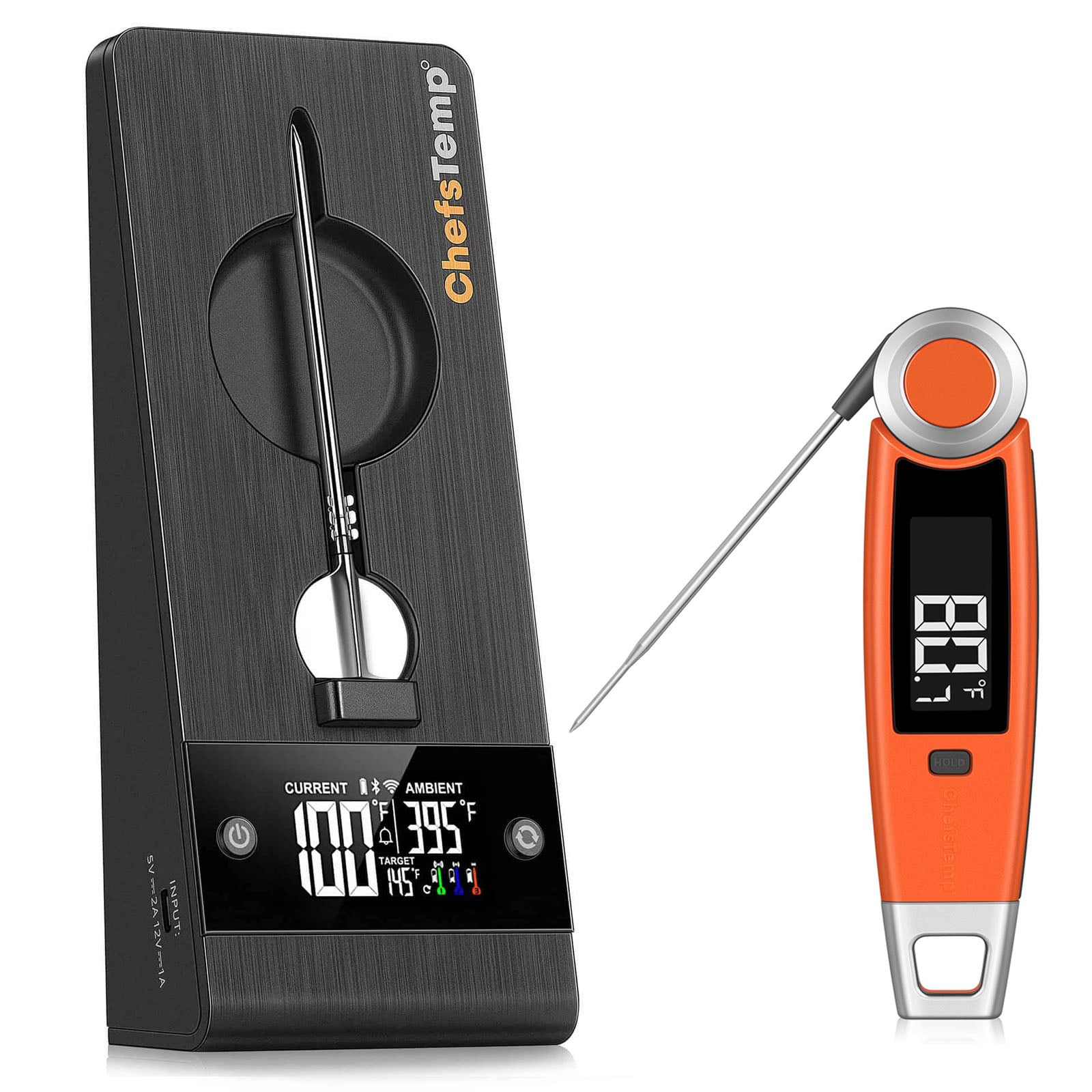
The only sure way to know if foods are safe to eat is by measuring the internal cooking temperature of the food in the thickest part of the food. Instant read thermometers are the most effective means of measuring this temperature. The types of instant read thermometers varies greatly. You have mechanical thermometers which you can insert into the food and take a temperature, you have roasting thermometers that you can leave in the food, you can use a digital probe thermometer such as the Smartro ST 54 which has two probes with leads you can leave inserted in the food and get a constant temperature read as the food cooks, and you can use the ChefsTemp Final Touch X10 instant read digital cooking thermometer as well.
What is the safe temperature for beef rare?
Rare Beef, the recommended lowest safe temperature for serving beef is 135⁰F, which being said, this is the temperature for Medium Rare beef, and if you prefer your beef rare, then this is overdone. Beef is one of the ambiguous foods that does not fit into the normal realm of temperature zones, much is the same with veal and lamb. Rare beef should be cooked to a minimum safe cooking temperature of 125⁰F. this is the lowest temperature where bacterial growth slows down. Always keep in mind the TDZ is designed to keep food safe and to eliminate food-borne pathogens which cause food-borne illness.
What is the minimum internal cooking temperature for seafood?
Seafood has a lower minimum internal cooking temperature than other foods. Most seafood, which includes fish, shellfish, and crustaceans need to be cooked to a minimum internal temperature of 145⁰F to kill any bacteria or parasites that might be present in the seafood. The temperature is lower for seafood due to the structure of the protein. This temperature does not apply to sushi grade tuna. It is flash frozen and is safe to be eaten as is. The main concern with fish is anisakiasis, which is a parasitic worm that grows in fish. The freezing process kills the worms and cooking seafood to 145⁰F also kills the parasite or any bacterial concerns.
What’s the best way to get an accurate reading?
You can get the most accurate temperature by sticking the thermometer into the center of the thickest part of the meat or casserole. Also, make sure it’s not touching any bone or gristle. For whole chickens and turkeys, the thickest part is where the thigh meets the rest of the body. For thin pieces of meat like hamburgers, stick the probe sideways into the meat.
How do I clean and sanitize a probe?
The probe of a thermometer can be cleaned and sanitized using these steps:
- Wash the probe with warm water and detergent.
- Sanitize the probe appropriately (alcohol swabs can be used).
- Rinse the sanitizer away if necessary (refer to the instructions on the sanitizer).
- Allow the probe to air dry or thoroughly dry it with a disposable towel.
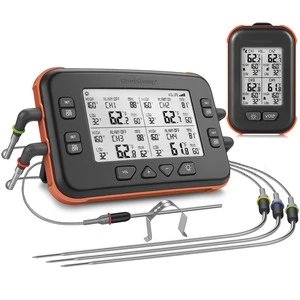
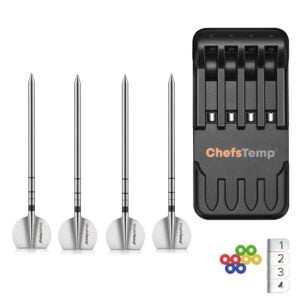
My Quad XPro is displaying an LLL error. What does this mean?
If your probe was exposed to temperatures above or below its temperature range (-58 to 572°F / -50 to 300°C), you will see an LLL or HHH error.
LLL means that the probe was exposed to temperatures below its range and HHH means that it was exposed to temperatures above its range.
If the probe is not fully inserted into the socket, LLL or HHH may also appear, please remove the probe, and then re-insert the probe fully.
Another reason may be that the probe or socket is damaged, if the problem still exists after re-inserting, please contact our customer service to get help.
I plugged the probes into my Quad XPro and nothing happened. The display is still dark.
First, make sure that you have turned your Quad XPro on. The ON/OFF switch is on the back of the unit. If that does not work, we suggest replacing the batteries, as a battery change typically fixes these types of symptoms. If the problem still exists, please contact our customer support for further help.
What temperature is a danger zone for food?
The Temperature Danger Zone is a temperature range in which bacteria and viruses grow at an accelerated rate based on ideal conditions. The TDZ (Temperature Danger Zone) is 41⁰-135⁰F with the temperature range between 70⁰-125⁰F being the most favorable for bacterial growth. It is important to get food through this temperature range within two hours and to get the food to the recommended cooking temperature for each food as outlined in the food safety guide to kill the bacteria that may have grown on the foods.
How to do a proper ice bath test?
You have 4 steps to do, we have made an article that explains this, you can check it here.
Can you leave a meat thermometer in the meat while it is cooking?
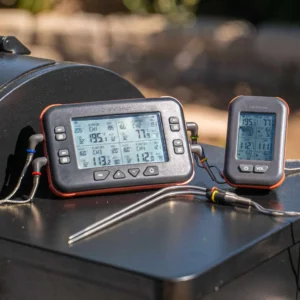
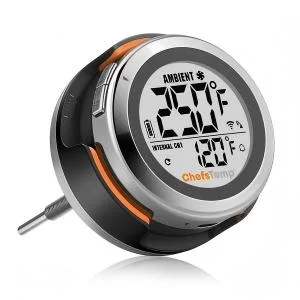
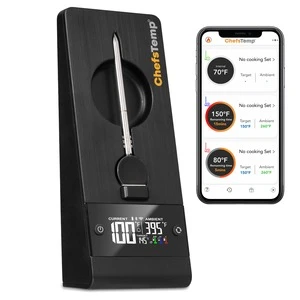
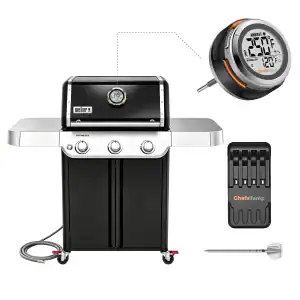
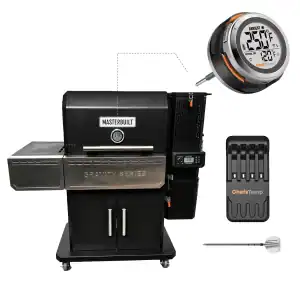
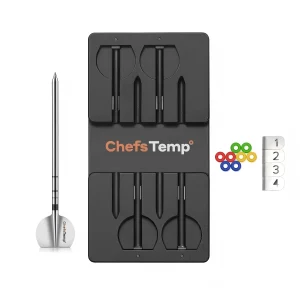
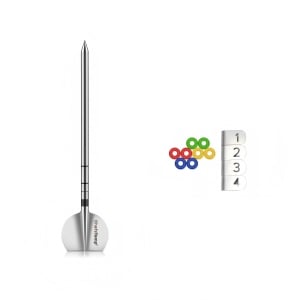
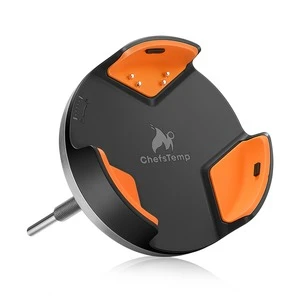
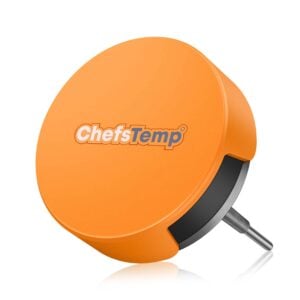
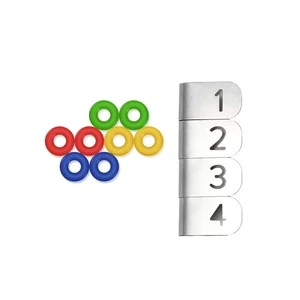
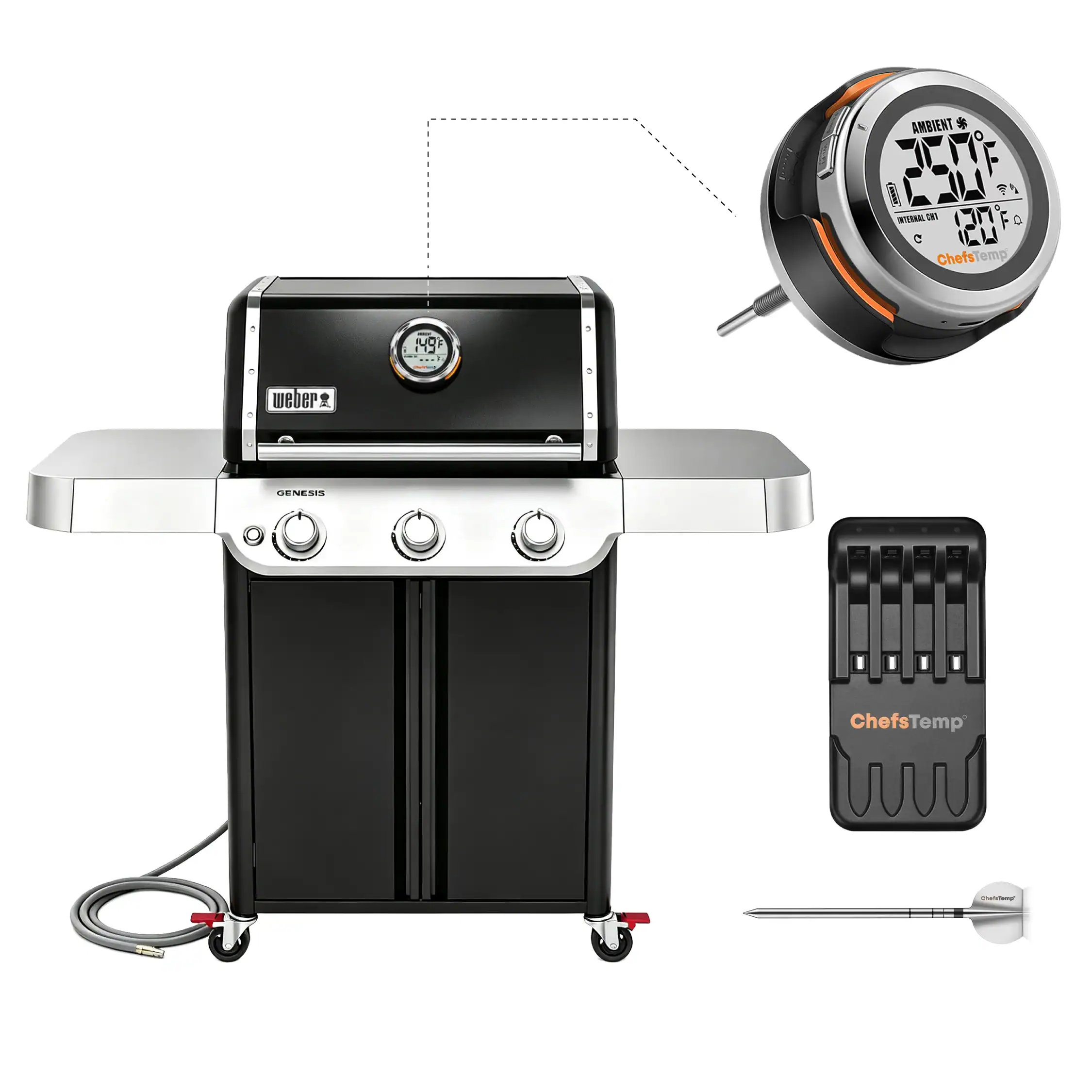
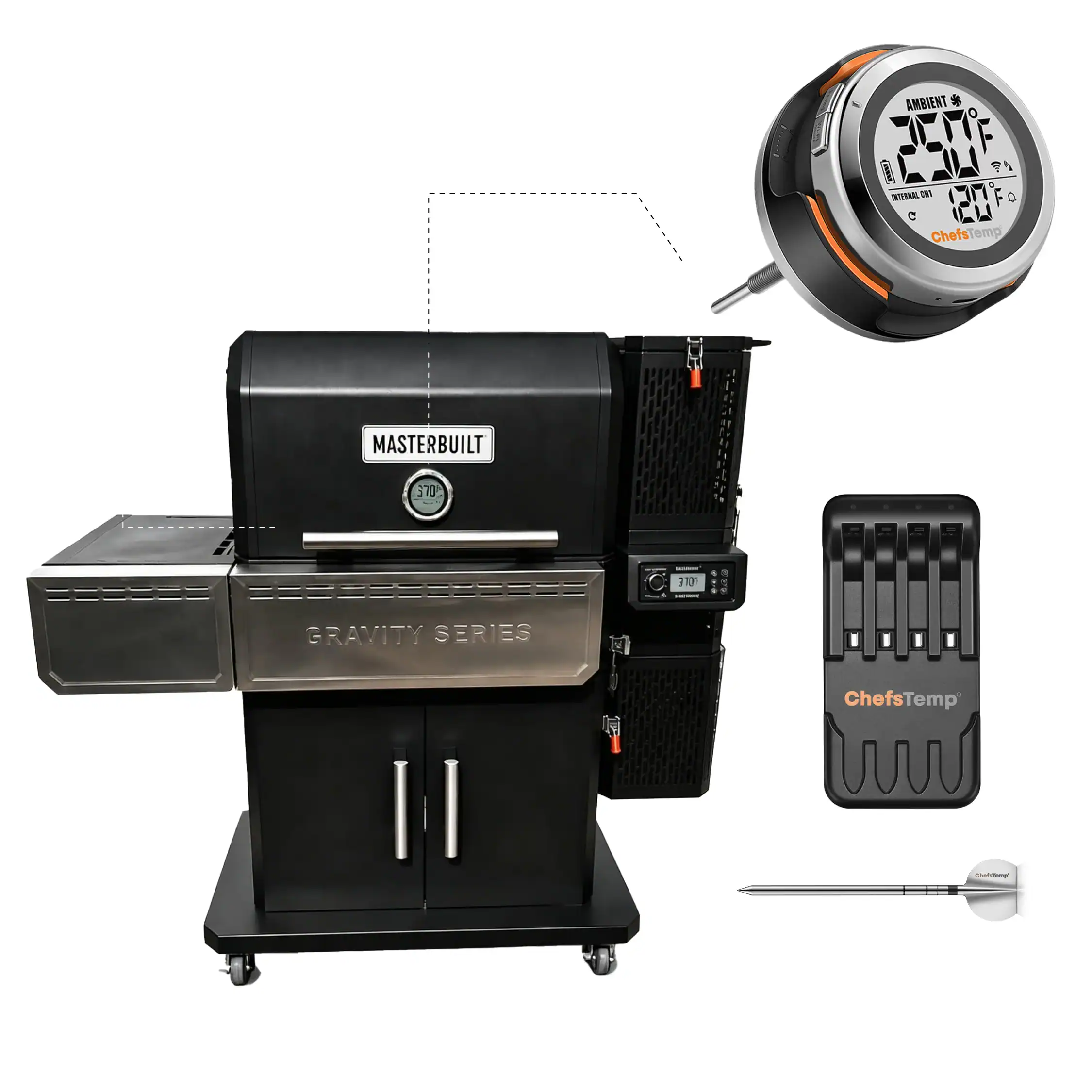
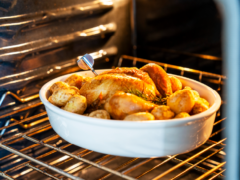
There are meat thermometers specifically designed to be left in the meat as it cooks. Some are mechanical thermometers that have a dial and can be left in. Personally, if I am going to use a meat thermometer that can be left in the meat, I use ChefsTemp Quad XPro Alarm Thermometer. This thermometer is designed to leave the probe in the meat and has 4 probes with extra-long leads which attach to a temperature sensing head you are able to affix to the outside of the oven via magnets, or use the kickstand and set it on the counter. It has an alarm to notify you when the meat reaches the desired set temperature.